
Internet Fax vs Fax Machine: Practical Guidance for U.S. Businesses
What Is an Internet Fax and How Does It Differ From a Traditional Fax Machine?
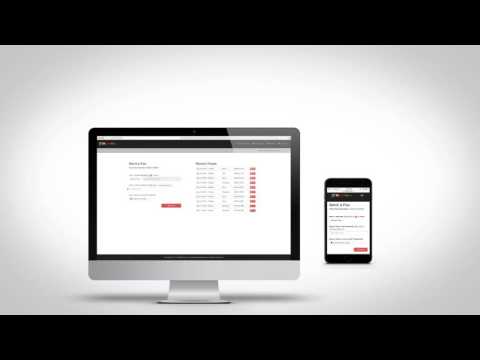
An internet fax (also called online fax or e‑fax) sends and receives documents over the public internet rather than through the telephone network. Users typically access the service through a web dashboard, email client, or mobile app, eliminating the need for dedicated hardware.
A traditional fax machine, by contrast, relies on a physical handset, a phone line, and paper. While the core purpose—transmitting scanned documents—remains the same, the delivery mechanism, cost structure, and workflow impact are completely different.
Key Features and Benefits of Internet Fax
Internet fax services are built for modern digital workflows. Key features include a searchable dashboard, email integration, and automated routing that can forward incoming faxes to specific users or cloud storage locations.
Benefits for businesses are tangible: reduced paper waste, lower overhead, and the ability to fax from anywhere with an internet connection. This flexibility supports remote teams, multi‑site operations, and mobile workers without requiring multiple fax lines.
- Digital archiving and easy retrieval
- Scalable user licensing
- Integration with popular CRMs and document management systems
- Automation through APIs and workflow rules
Core Benefits of a Physical Fax Machine (and When It Still Makes Sense)
Despite the rise of internet fax, traditional fax machines still hold value in certain environments. They provide a tangible, stand‑alone solution that works even when internet connectivity is unreliable.
Industries that rely on legacy equipment, such as some healthcare facilities and legal offices, may need a dedicated line for compliance or because partners still use analog fax. A physical device also offers a sense of immediacy—no login required, just pick up the handset.
- Works with existing telephone infrastructure
- Zero learning curve for staff accustomed to paper‑based processes
- Immediate transmission without waiting for cloud processing
- Can serve as a backup communication channel
Pricing Comparison: Subscription Fees vs Capital Expense
Cost is a decisive factor when evaluating internet fax vs fax machine. Online fax typically follows a subscription model—monthly or annual per‑user fees—while a fax machine requires an upfront purchase plus ongoing line rental and consumables.
The subscription approach converts a large capital outlay into predictable operating expenses, which many U.S. businesses prefer for budgeting and tax purposes. Below is a simplified cost snapshot.
| Cost Element | Internet Fax | Fax Machine |
|---|---|---|
| Initial Investment | None (or minimal setup fee) | $200–$800 for hardware |
| Monthly Recurring | $10–$30 per user | $10–$25 for phone line rental |
| Paper & Ink | None (digital only) | $15–$40 per month, depending on volume |
| Maintenance | Handled by provider | Potential repair costs |
When you factor in hidden costs—such as printer wear, storage space for paper, and time spent filing—online fax often emerges as the more economical choice for growing businesses.
Setup, Integration, and Workflow Considerations
Implementing an internet fax solution usually involves a short onboarding process: create an account, assign users, and configure email or API integrations. Most providers supply step‑by‑step guides and a sandbox environment for testing.
Physical fax machines require wiring, a dedicated phone line, and regular supply management (paper, toner). Integrating them into digital workflows typically needs a separate scanning step, which adds manual effort and potential errors.
- Setup time: hours vs days
- Integration: native email routing vs manual scan
- Workflow automation: API‑driven routing vs manual filing
Security, Reliability, and Compliance
Security is paramount for any document transmission. Internet fax providers often offer TLS encryption, at‑rest encryption, and audit logs that satisfy HIPAA, GDPR, and other regulatory requirements.
Traditional fax machines transmit data over analog phone lines, which are inherently resistant to certain cyber threats but can be intercepted with physical tapping. Reliability depends on line quality; a dropped call can result in a failed transmission without automatic retry.
When compliance is a concern, verify that the online fax service provides a signed Business Associate Agreement (BAA) or similar documentation.
Common Use Cases and Business Scenarios
Both solutions have distinct strengths that align with specific use cases. Below are scenarios where one typically outperforms the other.
- Remote sales teams: Internet fax enables sending contracts from a laptop or smartphone without returning to the office.
- Legal filings: Many courts still require a physical fax; a dedicated machine ensures compliance.
- Healthcare provider networks: Secure, encrypted e‑fax meets patient‑privacy regulations while streamlining records exchange.
- Manufacturing plants with limited IT: A simple fax machine can serve as a reliable point‑of‑contact for supplier documents.
Understanding your business needs helps you match the right tool to the right workflow.
Choosing the Right Solution: Decision Checklist
Before committing, run through this quick checklist. Answering each question will clarify whether internet fax or a fax machine aligns with your priorities.
- Do you need to fax from multiple locations or mobile devices?
- Is compliance with HIPAA, FINRA, or similar regulations required?
- What is your expected monthly fax volume?
- Do you have reliable broadband access at all sites?
- Is there a budget preference for CAPEX versus OPEX?
- Will you integrate fax with existing CRM, ERP, or document management platforms?
If most answers point toward flexibility, digital storage, and lower ongoing costs, an internet fax service is likely best for you. If your workflow relies heavily on paper or you must meet a partner’s analog‑only requirement, a fax machine may still be the right choice.
Frequently Asked Questions
Can I receive a fax directly to my email?
Yes. Most internet fax services forward incoming faxes as PDF attachments to a designated email address, eliminating the need to open a separate dashboard.
What happens if my internet connection goes down?
Many providers queue outgoing faxes and automatically retry once connectivity is restored. For mission‑critical needs, keeping a single analog fax line as a backup can provide extra peace of mind.
Are there limits on the number of pages I can send?
Limits vary by plan. Some providers include unlimited pages, while others charge per page after a certain threshold. Review the pricing details before selecting a tier.
Do I need special hardware to use internet fax?
No special hardware is required. All you need is a computer, tablet, or smartphone with internet access and a compatible web browser or email client.